BIG Foundation Organizes Free Eye Care Camp at Mulund Colony, Old BMC Area
Date: 28 February
Venue: Mulund Colony, Old BMC Area, Mumbai
Organized by: BIG Foundation
Access to quality healthcare is one of the most important requirements for building a healthy and inclusive society. However, many people, particularly those from economically weaker sections, may delay medical consultations because of financial limitations, lack of awareness, or difficulty accessing appropriate healthcare services.
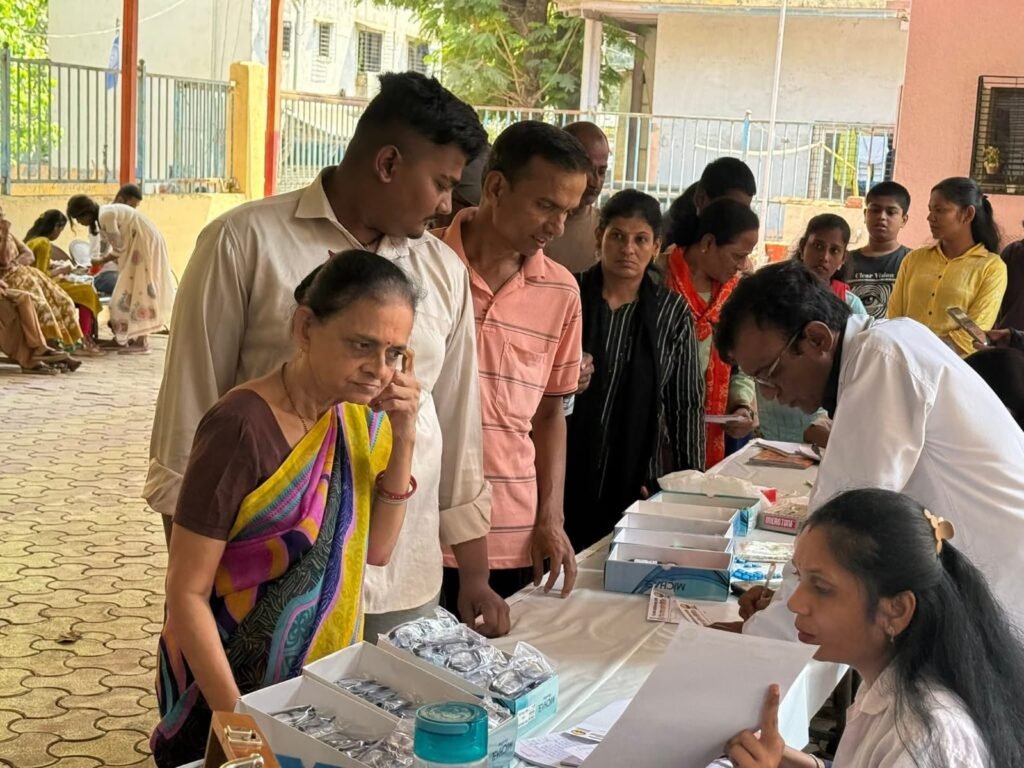
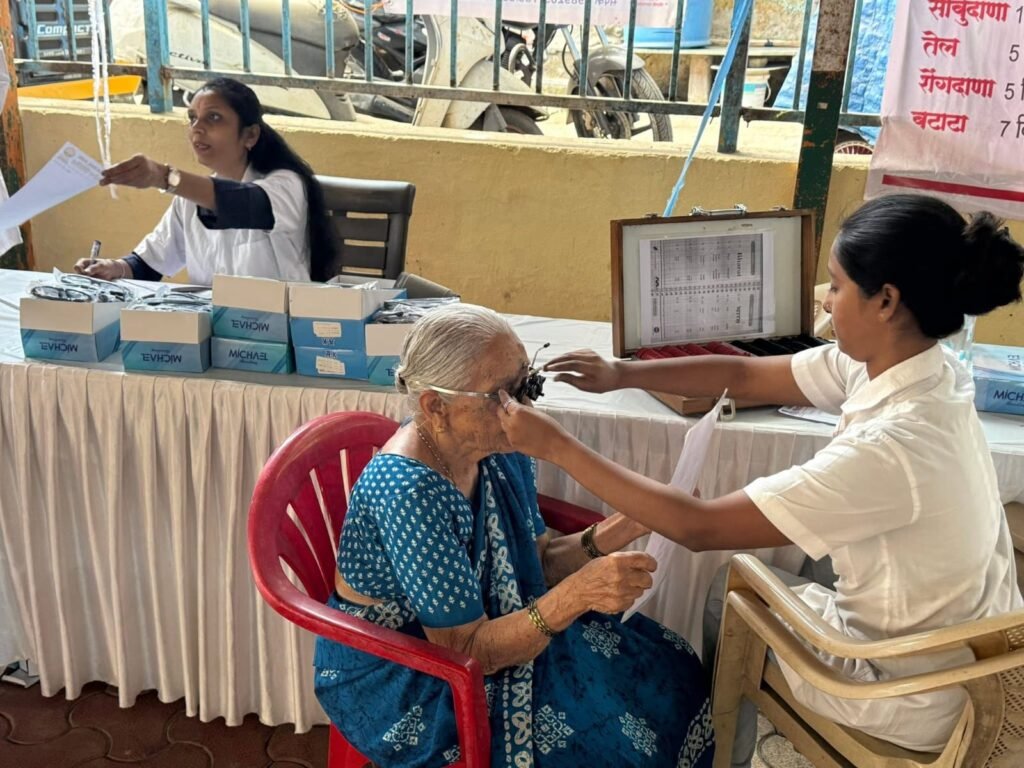
Understanding the importance of timely eye care, BIG Foundation organized a Free Eye Check-Up, Cataract Surgery Registration and Free Spectacle Distribution Camp on 28 February at Mulund Colony, Old BMC Area.
The initiative was designed to provide basic eye-care support to residents, identify vision-related problems at an early stage, register eligible beneficiaries for cataract surgery, and provide free spectacles to people who required them.
The camp was an important step toward making essential eye-care services more accessible to people who may otherwise find it difficult to afford or access them.
Bringing Eye Care Closer to the Community
Eyes play a crucial role in almost every aspect of daily life. From education and employment to communication, mobility, and independence, good vision directly affects a person’s quality of life.
Yet, eye problems are often ignored until they become severe.
Many people experience symptoms such as blurred vision, difficulty reading, headaches, watering of the eyes, difficulty seeing at night, or reduced vision but continue with their daily activities without seeking professional advice.
For economically disadvantaged families, even a routine eye examination can sometimes be postponed because other household expenses take priority.
The free eye-care camp at Mulund Colony was organized to help overcome some of these barriers.
By bringing eye-check-up services directly into the community, BIG Foundation created an opportunity for residents to get their eyes examined without the burden of consultation costs.
Free Eye Examination for Residents
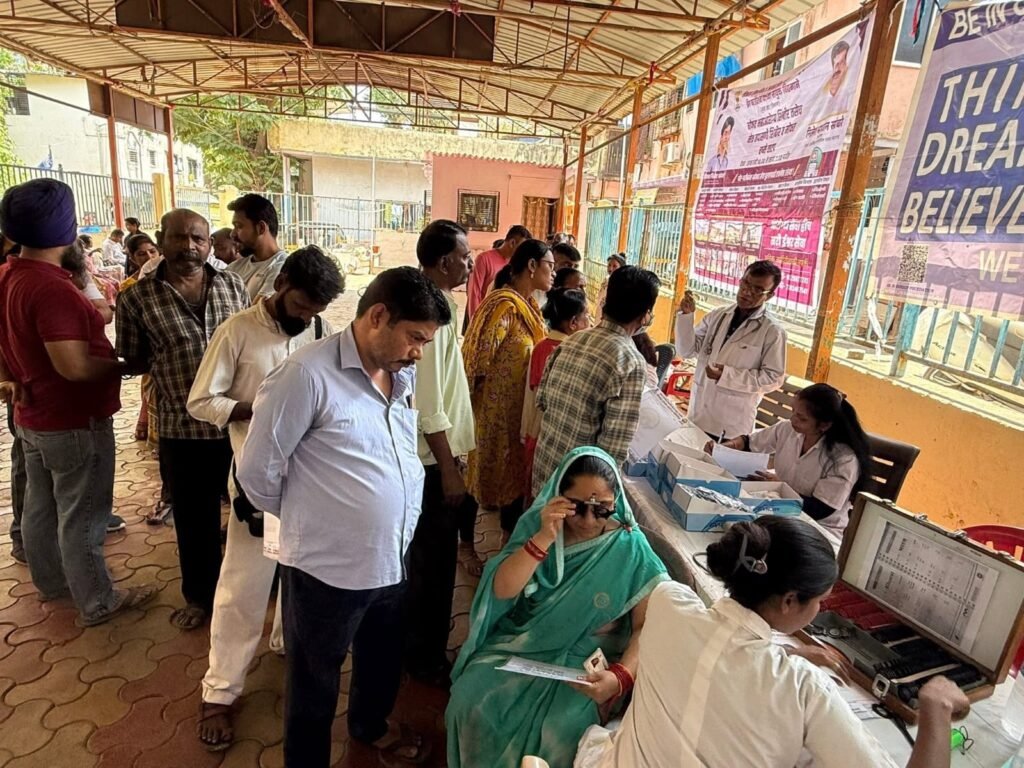
A major component of the camp was the free eye examination provided to residents.
The eye check-up allowed participants to understand their current vision status and identify possible problems that might require further attention.
Eye examinations are particularly important for older adults, people experiencing changes in vision, and individuals who have never undergone a proper eye examination.
The camp encouraged residents not to ignore changes in their eyesight.
Even when a person is able to perform everyday activities, gradual deterioration of vision can affect their safety, productivity, and overall quality of life.
Early identification of eye-related concerns can help individuals seek appropriate professional treatment at the right time.
Cataract Surgery Registration
Another important service offered during the initiative was registration for cataract surgery.
Cataract is a common cause of vision impairment, particularly among older adults. It can gradually make everyday activities such as reading, walking, recognizing faces, travelling, and performing household work more difficult.
For families with limited financial resources, the cost and logistics associated with treatment can become a significant concern.
Through the cataract surgery registration facility, eligible beneficiaries were given an opportunity to take the next step toward receiving appropriate treatment.
The registration process also helped connect people requiring cataract-related care with the necessary guidance and support for further treatment.
This aspect of the camp was particularly valuable because simply identifying a vision problem is not enough. People also need assistance in understanding what they should do next.
Free Spectacle Distribution
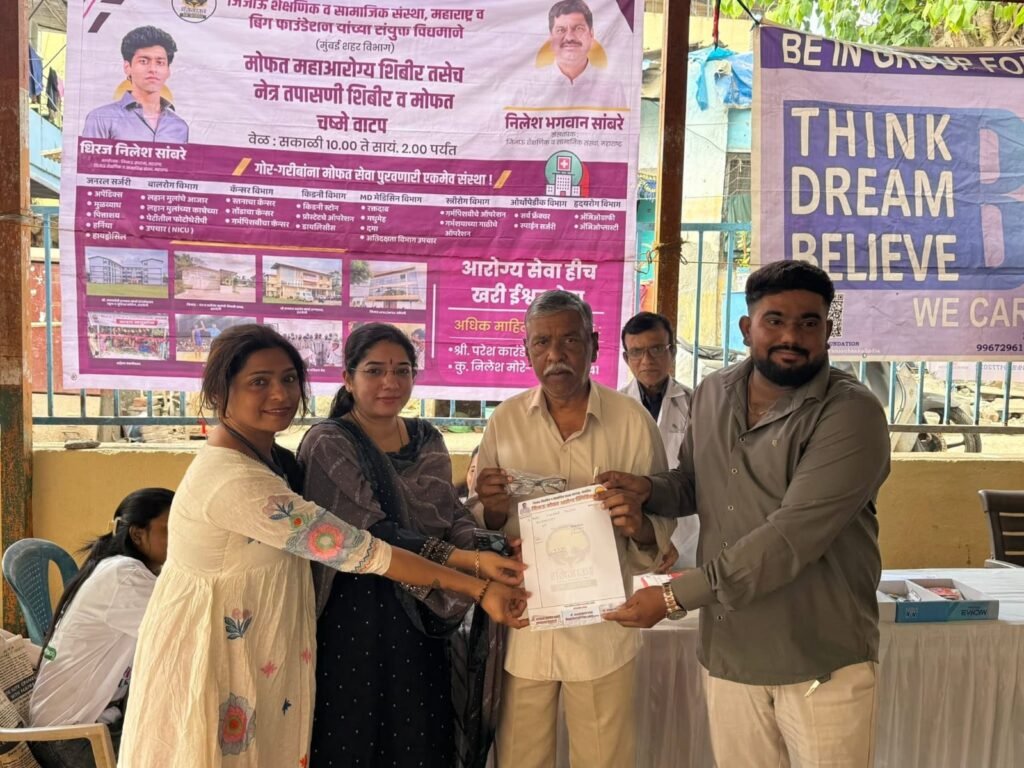
For beneficiaries who required spectacles, free spectacles were distributed as part of the initiative.
For someone experiencing difficulty seeing clearly, a pair of appropriate spectacles can make a noticeable difference in everyday life.
Clear vision can help people read, work, travel, recognize people, and carry out routine activities with greater confidence.
For children and adults alike, appropriate vision correction can also support education and productivity.
Providing spectacles free of cost was therefore an important part of the camp’s effort to make basic vision support accessible to people who may otherwise postpone purchasing them due to financial constraints.
The smiles of beneficiaries receiving spectacles reflected the practical value of this simple but meaningful intervention.
Why Regular Eye Check-Ups Matter
Many eye conditions can develop gradually. People may adapt to reduced vision over time and may not immediately recognize that their eyesight has deteriorated.
Regular eye examinations can help individuals become more aware of their eye health.
Eye care becomes particularly important as people grow older. Age-related changes in vision can affect independence and daily functioning.
People should also avoid self-diagnosing persistent vision problems or relying solely on temporary solutions without professional evaluation.
A community eye camp can play an important role in creating awareness and encouraging people to seek appropriate medical advice.
Helping Senior Citizens
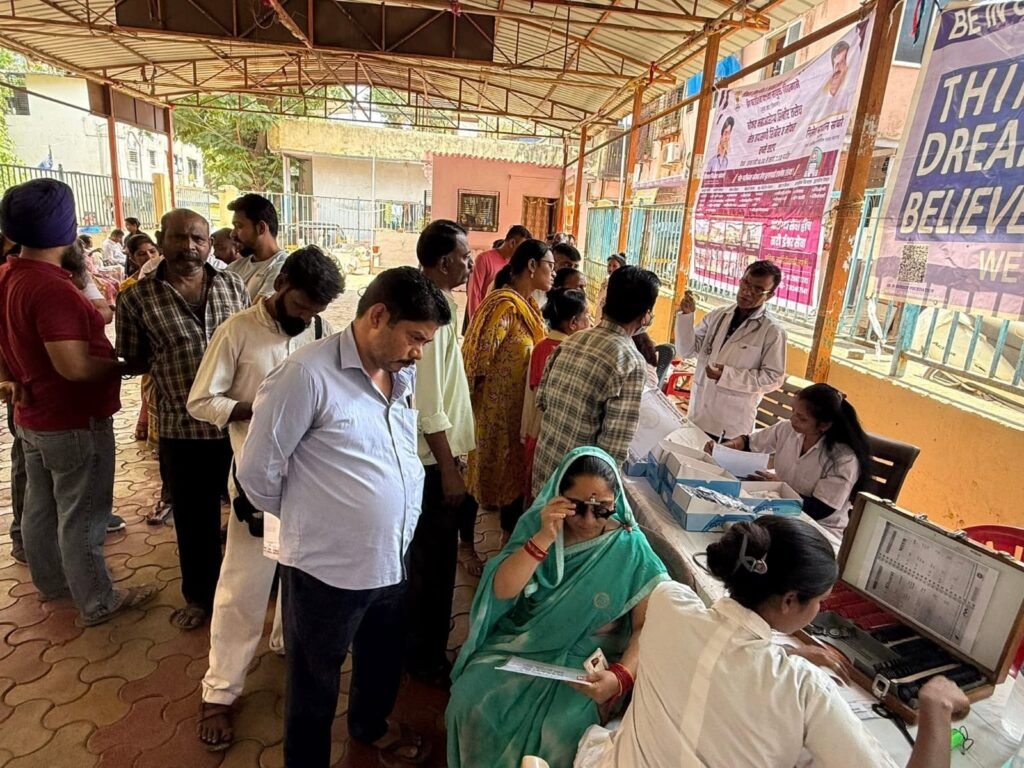
Senior citizens are among the groups that can particularly benefit from community-based eye-care initiatives.
Age-related vision problems may make it difficult for older adults to travel long distances to access healthcare services.
Some may also depend on family members for transportation and assistance.
Conducting a camp within the community reduces some of these practical barriers.
The Mulund Colony initiative provided residents with an accessible opportunity to undergo an eye examination and learn about possible treatment options.
For older beneficiaries, the cataract surgery registration facility could also serve as an important step toward addressing vision-related difficulties.
Healthcare with Dignity and Compassion
An important part of community healthcare is ensuring that beneficiaries receive services with dignity and respect.
People seeking assistance should never feel embarrassed about their financial circumstances.
The purpose of social welfare initiatives is to ensure that economic limitations do not become a barrier to basic healthcare.
BIG Foundation’s initiative reflects the importance of approaching healthcare from a community perspective—understanding people’s circumstances and making essential services more accessible.
The camp also created an environment where residents could discuss their concerns and seek guidance regarding their vision.
Awareness Alongside Treatment
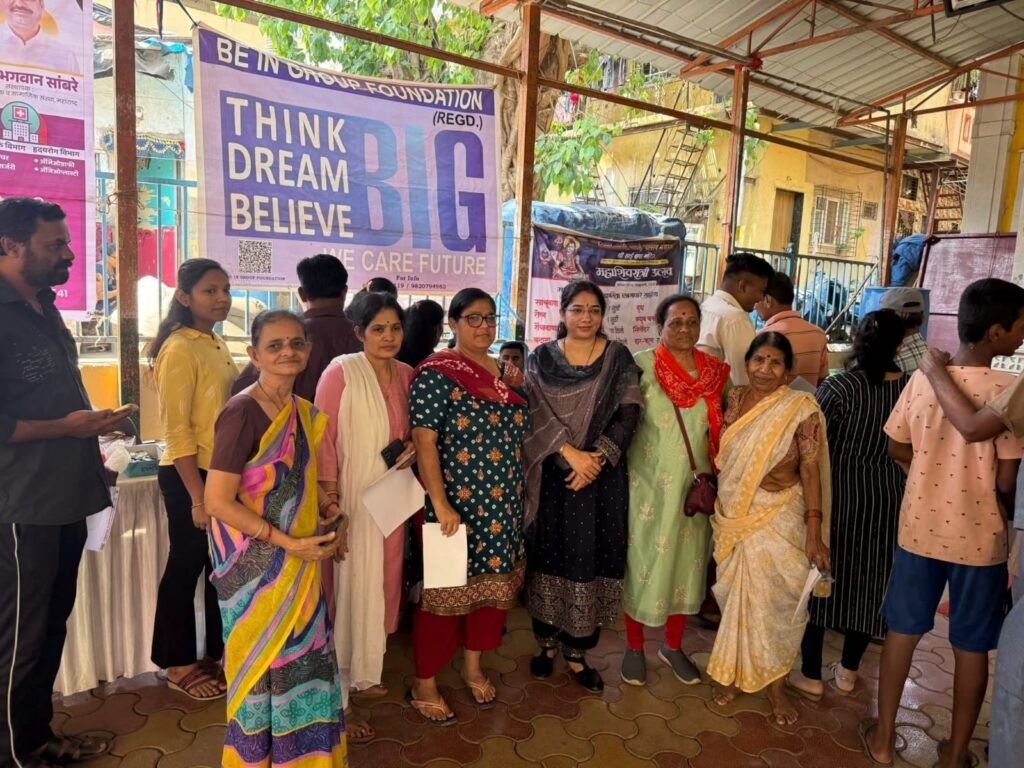
Healthcare camps are not only about providing immediate services. They can also create awareness.
A person who participates in an eye examination may become more conscious of the importance of regular eye care. They may also encourage family members, friends, and neighbours to undergo check-ups.
This creates a ripple effect within the community.
One individual receiving care can potentially lead to greater awareness among an entire family.
Such awareness is especially important in communities where healthcare information may not always be easily accessible.
Early Identification Can Make a Difference
One of the primary objectives of the initiative was to encourage timely identification of vision-related problems.
People often become accustomed to gradually changing eyesight. What initially appears to be a minor inconvenience may eventually interfere significantly with daily life.
A simple eye examination can help identify whether a person needs spectacles, further evaluation, or specialized treatment.
The camp therefore served as an important opportunity for residents to take the first step toward understanding their eye health.
It also emphasized the importance of not ignoring persistent changes in vision.
Building a Healthier Community
Healthy communities are built when people have access to essential healthcare services.
Eye health is an important component of overall well-being, yet it can sometimes receive less attention than other health concerns.
Community-based initiatives can help change this by bringing preventive and basic healthcare services closer to residents.
The Mulund Colony eye camp demonstrated how collaboration, community participation, and social responsibility can contribute to better healthcare accessibility.
Such initiatives can be particularly valuable for people who face financial, social, or logistical barriers to accessing medical services.
The Role of Social Organizations in Healthcare
Organizations such as BIG Foundation can play a meaningful role in supporting communities by identifying areas where assistance is needed and organizing targeted initiatives.
Healthcare camps are one way of addressing immediate community needs.
However, their broader impact can extend beyond the day of the event.
By connecting beneficiaries with further treatment and guidance, such initiatives can encourage people to take continued responsibility for their health.
The objective is not simply to conduct a one-day camp, but to create pathways through which individuals can receive appropriate support for their healthcare needs.
A Step Toward Better Vision and Better Living
Good eyesight contributes significantly to independence and confidence.
For a senior citizen, better vision can make walking and recognizing surroundings easier.
For a working person, clear vision can support daily professional activities.
For a student, good vision can assist reading and learning.
For a homemaker, clear vision can make everyday household activities more comfortable.
Thus, eye care is closely connected to a person’s ability to participate fully in everyday life.
By offering eye examinations, cataract surgery registration, and spectacles, the initiative addressed several practical aspects of community eye care.
Community Participation Makes Initiatives Successful
The success of any community initiative depends not only on the organizers but also on the participation of local residents.
When people come forward for health check-ups, encourage their family members to participate, and share information about such initiatives with neighbours, the reach of the program increases.
Community awareness can help ensure that healthcare services reach people who genuinely need them.
Residents also play an important role by following medical advice and completing recommended follow-up consultations or treatments.
A Message of Care and Hope
The eye-care camp organized at Mulund Colony carried a simple but powerful message:
Healthcare should be accessible, timely, and available with dignity.
The free eye examinations gave residents an opportunity to understand their vision health.
The cataract surgery registration helped eligible beneficiaries move toward further treatment.
The free spectacle distribution provided practical vision support to those who needed it.
Together, these services created a meaningful community welfare initiative focused on one of the most important senses—the gift of sight.
Looking Ahead
The work of community welfare does not end with a single event.
There is a continuing need to spread awareness about regular eye examinations, cataract treatment, vision correction, and timely medical consultation.
Future initiatives can build upon this foundation by reaching more communities and supporting people who require further healthcare assistance.
With continued collaboration between social organizations, healthcare professionals, volunteers, donors, and local communities, more people can be encouraged to prioritize their eye health.
Conclusion
The Free Eye Check-Up, Cataract Surgery Registration and Free Spectacle Distribution Camp, organized by BIG Foundation on 28 February at Mulund Colony, Old BMC Area, was a meaningful effort to make essential eye-care services more accessible to the community.
The initiative focused on three important areas: early identification of eye-related problems, assistance with cataract surgery registration, and free spectacles for eligible beneficiaries.
More than simply providing medical services, the camp created awareness about the importance of taking care of one’s eyesight and seeking timely professional guidance.
Every eye examination represented an opportunity to identify a problem.
Every cataract surgery registration represented a possible step toward improved vision.
Every pair of spectacles represented the possibility of seeing the world more clearly.
Through such initiatives, BIG Foundation continues to demonstrate the importance of compassion, community participation, and accessible healthcare.
Because better vision can mean greater independence, greater confidence, and a better quality of life.
BIG Foundation remains committed to supporting communities through meaningful social initiatives that promote health, dignity, awareness, and well-being.