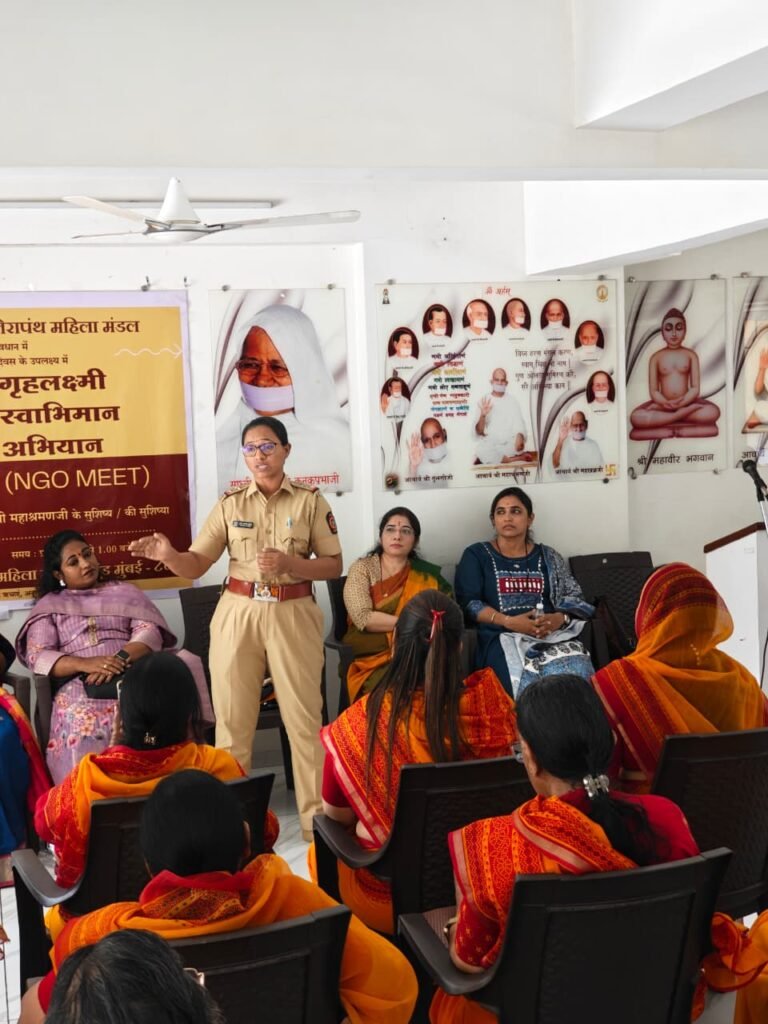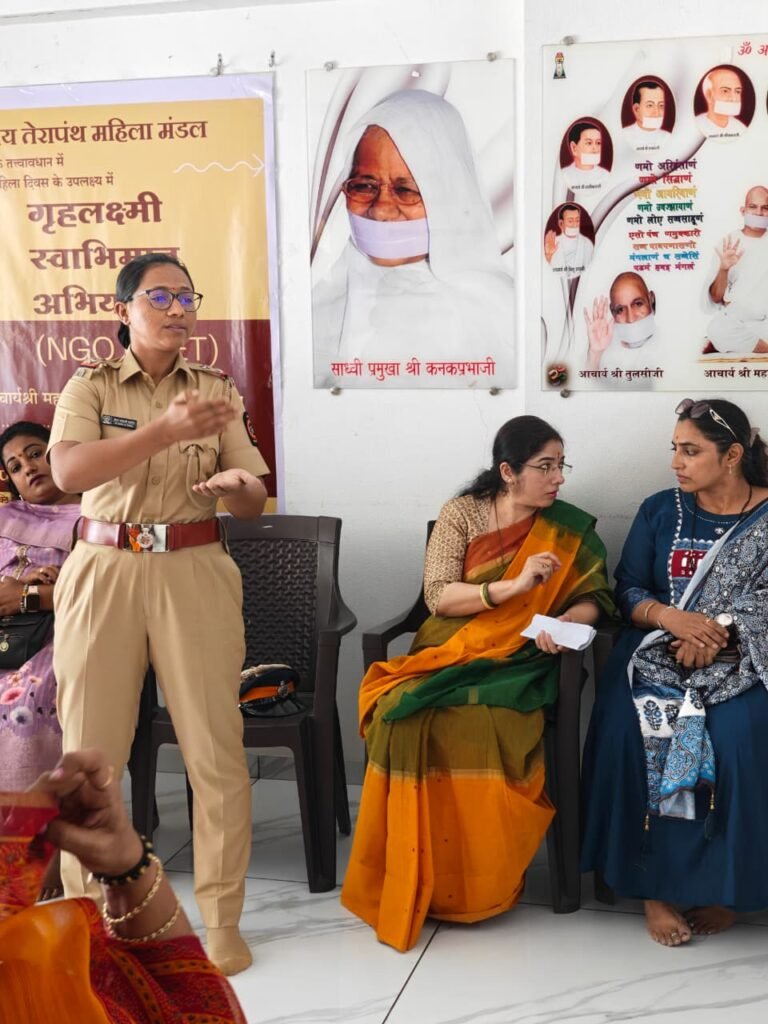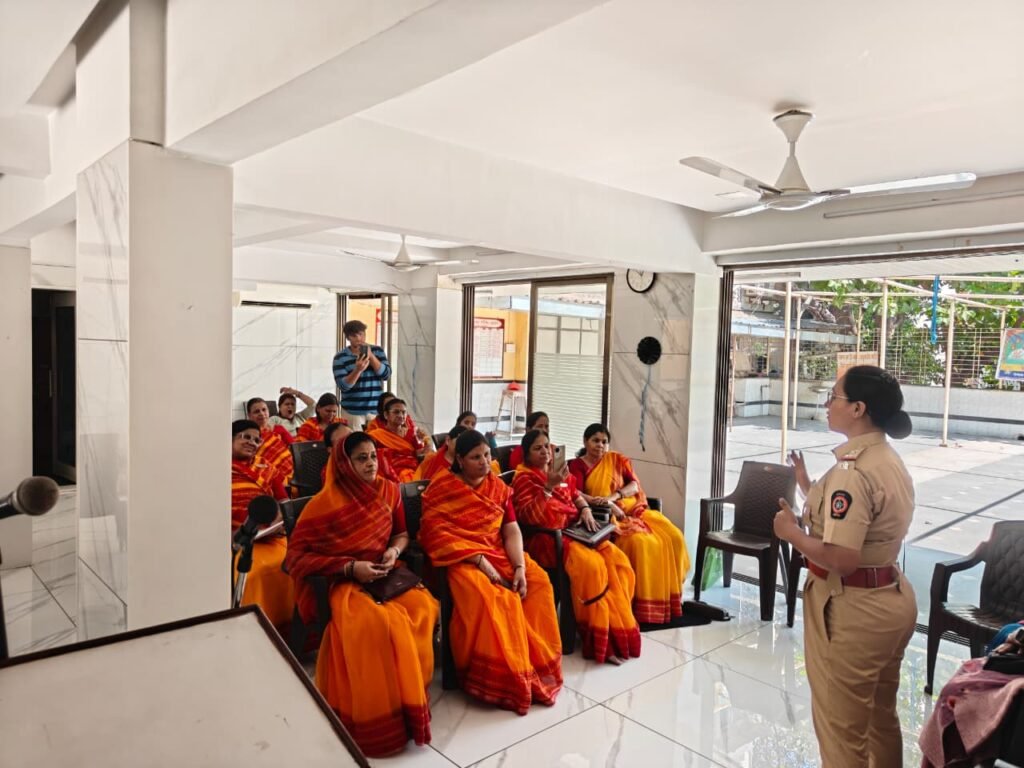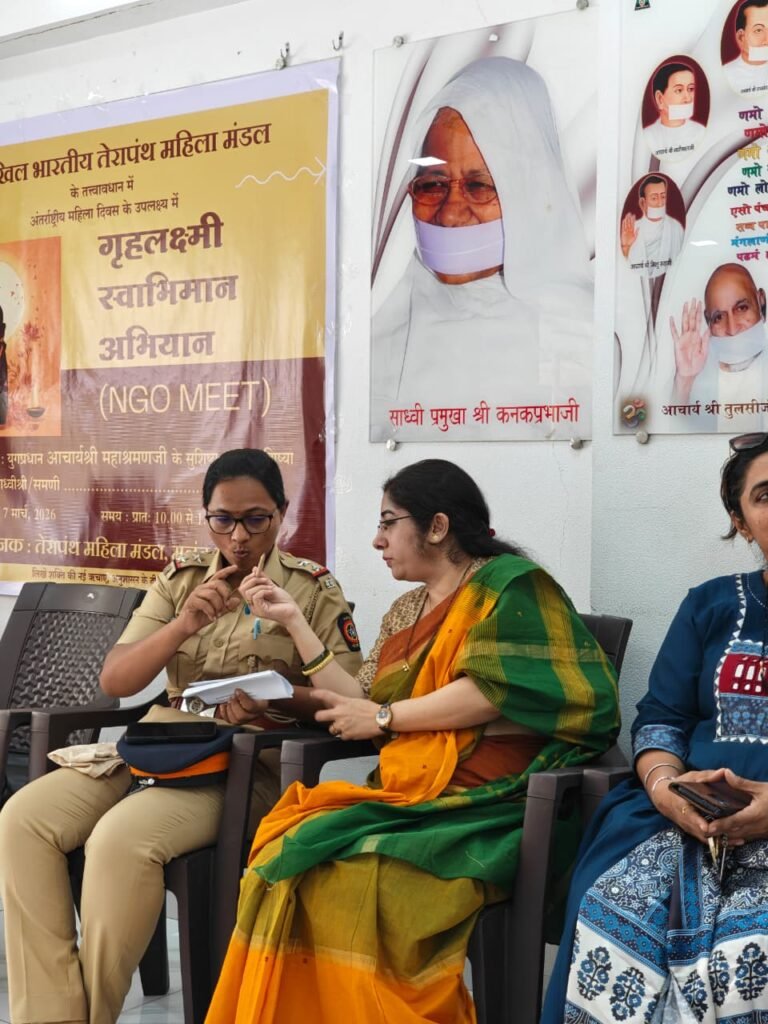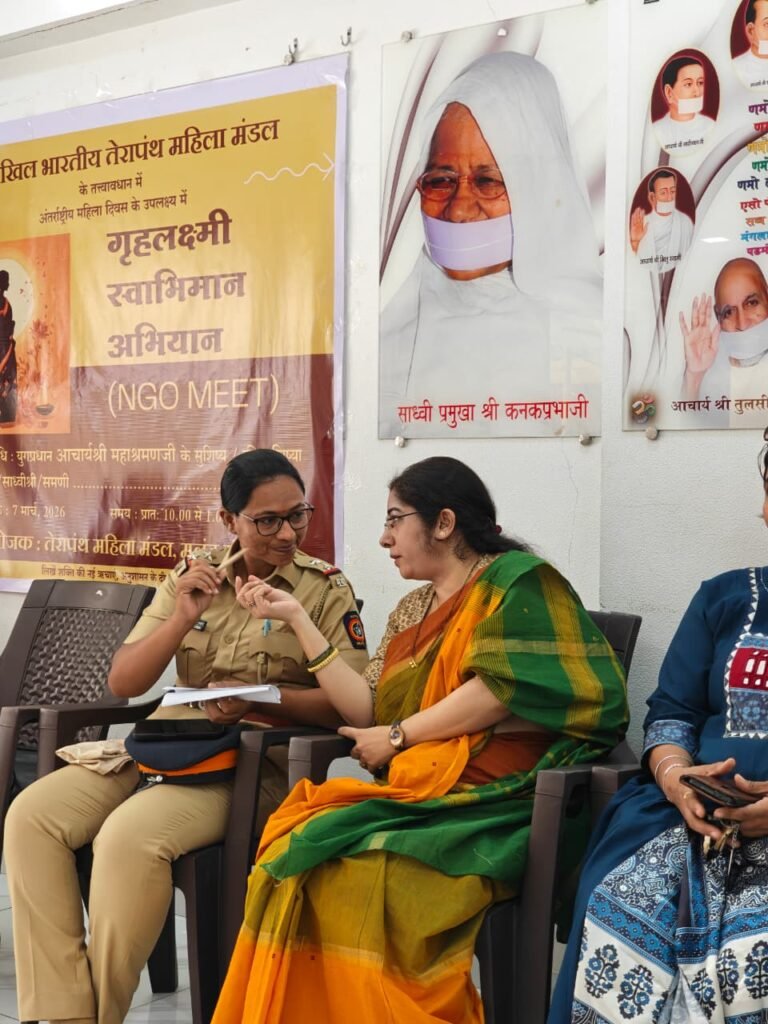
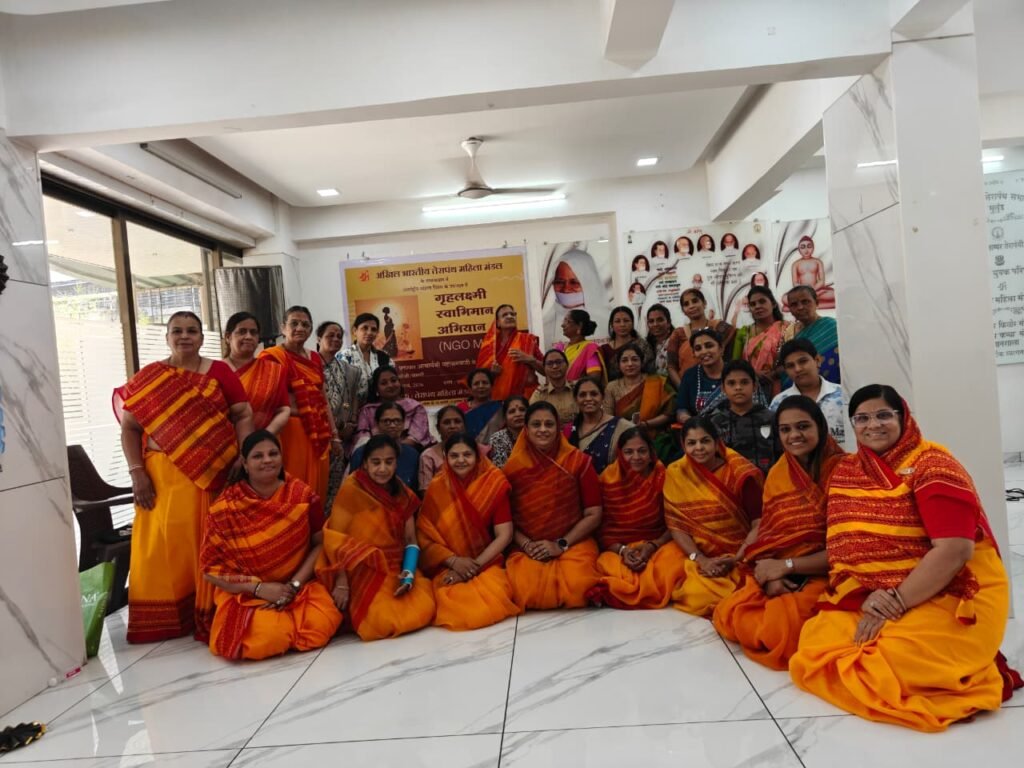
International Women’s Day, celebrated every year on 8 March, is an opportunity to recognize the achievements of women and, equally importantly, to create awareness about the rights, safety, dignity and opportunities available to them. On the occasion of International Women’s Day, BIG Foundation (Be In Group Foundation) organized a dedicated Women’s Safety and Legal Awareness Program to educate women about protective laws, personal safety, cybercrime prevention and the support systems available during emergencies.
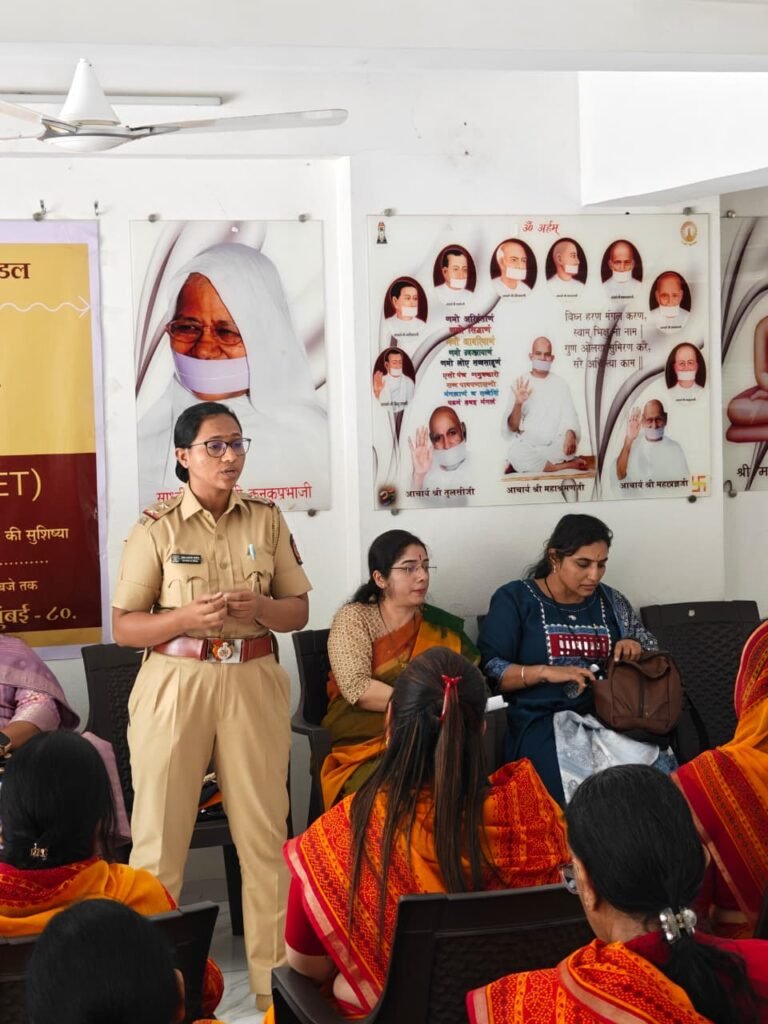
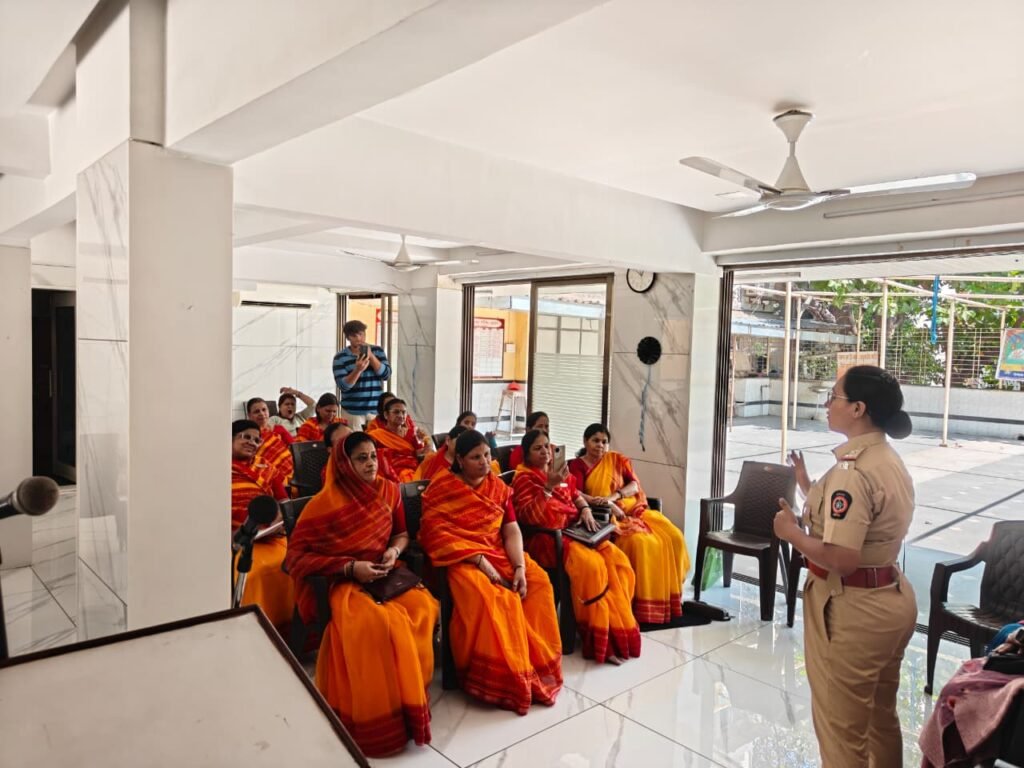
The program brought together women from the local community and police officials, creating an important platform for direct interaction, awareness and guidance. Local police officers attended the program and provided valuable information about women’s safety, legal rights, complaint procedures and emergency helpline services.
The initiative highlighted an important message: awareness of one’s rights is one of the strongest foundations of women’s empowerment.
Empowering Women Through Awareness
Women’s empowerment is not limited to education, employment or financial independence. It also includes knowing how to protect oneself, understanding legal rights and knowing where to seek help when faced with harassment, abuse, violence, threats or cybercrime.
Many women may experience difficult situations but hesitate to report them because they are unaware of the appropriate procedure or do not know which authority to approach. Fear, social pressure and lack of information can further discourage victims from seeking assistance.
The BIG Foundation’s awareness program attempted to address this gap by bringing women and police representatives together in an open environment.
The participating police officers explained important aspects of women’s safety and encouraged women to speak up when they face wrongdoing. The session also emphasized that seeking help at the right time can be an important step toward personal safety and justice.
Interaction with Local Police Officers
One of the most valuable aspects of the program was the participation of local police officials.
Direct interaction with police officers gave women an opportunity to understand how the law enforcement system works and how they can approach the authorities when they need assistance.
The officers discussed issues related to women’s safety and explained the importance of reporting incidents rather than remaining silent.
Women were encouraged to understand that a complaint can be an important starting point for seeking appropriate assistance. Depending on the nature of the incident, women can approach the police or use relevant government reporting mechanisms.
The interactive nature of the program also allowed participants to ask questions and seek clarification about situations they may encounter in their personal, professional or online lives.
Understanding Protective Laws for Women
The program focused on creating awareness about laws and legal protections available to women.
India has several laws and legal provisions designed to protect women from different forms of violence, harassment and exploitation. However, having laws alone is not enough. People must also know that these protections exist and understand how to access appropriate assistance.
During the awareness session, women were encouraged to learn about their legal rights and understand that inappropriate behaviour, harassment, threats, violence and abuse should not be ignored.
The program promoted a culture in which women can seek assistance without hesitation and where communities understand the importance of respecting women’s dignity and safety.
At the same time, specific legal action depends on the circumstances of an incident, so women were encouraged to seek guidance from the police, legal professionals or appropriate government authorities when necessary.
Cybercrime and Online Safety
With smartphones, digital payments, social media and online communication becoming an integral part of everyday life, cybersecurity has become an important part of women’s safety.
The program therefore included awareness about cybercrime and online threats.
Women were encouraged to remain cautious when receiving:
- Unknown calls and messages
- Suspicious links
- Fake job offers
- Fraudulent investment opportunities
- Fake customer-care numbers
- Requests for OTPs or passwords
- Suspicious social media messages
- Fake payment requests
- Impersonation attempts
- Online harassment and threats
A key message was that an OTP, PIN, password or banking credential should never be shared with an unknown person.
Women were also encouraged to verify suspicious messages and websites before making payments or sharing personal information.
What to Do After a Cyber Fraud
One of the important topics discussed during the program was the need for quick reporting in cases of cyber financial fraud.
The Government of India’s National Cyber Crime Reporting Portal advises citizens to report online financial fraud through the 1930 cybercrime helpline. The portal also provides mechanisms for reporting cybercrime online.
This is particularly important because victims may feel embarrassed or frightened after being cheated. However, delaying a complaint can reduce the opportunity for timely action.
Women were encouraged to preserve relevant evidence such as:
- Screenshots
- Transaction details
- Bank messages
- Phone numbers
- Email addresses
- Social media profiles
- Website links
- Chat conversations
- Payment receipts
Such information can be useful when reporting a cybercrime.
Emergency Number 112
The program also introduced women to the 112 emergency response number.
India’s Emergency Response Support System provides 112 as a pan-India emergency number for situations requiring emergency assistance, including police, fire and medical services.
Women were encouraged to remember 112 and use it when immediate emergency assistance is required.
The official 112 system also supports SOS mechanisms, including the 112 India mobile application. The system is designed to help people request emergency assistance through different channels.
Knowing an emergency number is useful, but equally important is understanding when to use it. In an immediate threat to personal safety, women should seek emergency assistance rather than waiting for the situation to become more dangerous.
Women’s Helpline 181
The participants were also made aware of 181, the Women Helpline.
The Maharashtra Government’s Women and Child Development Department currently lists 181 as the Women Helpline.
The availability of a dedicated women’s helpline provides another channel through which women can seek information and support.
Women should keep important emergency and support numbers saved in their mobile phones and ensure that they and their family members know how to access them when required.
Encouraging Women to Report
One of the strongest messages of the program was the importance of speaking up and reporting incidents.
Sometimes women choose not to report harassment or abuse because they fear social judgment, family pressure or retaliation. Others may believe that their complaint will not make a difference.
Awareness programs can help change this mindset.
Women should know that seeking assistance is not a sign of weakness. Asking for help during a dangerous or difficult situation is a responsible step toward protecting oneself.
The program encouraged women to approach appropriate authorities and seek professional assistance whenever necessary.
An Interactive Learning Experience
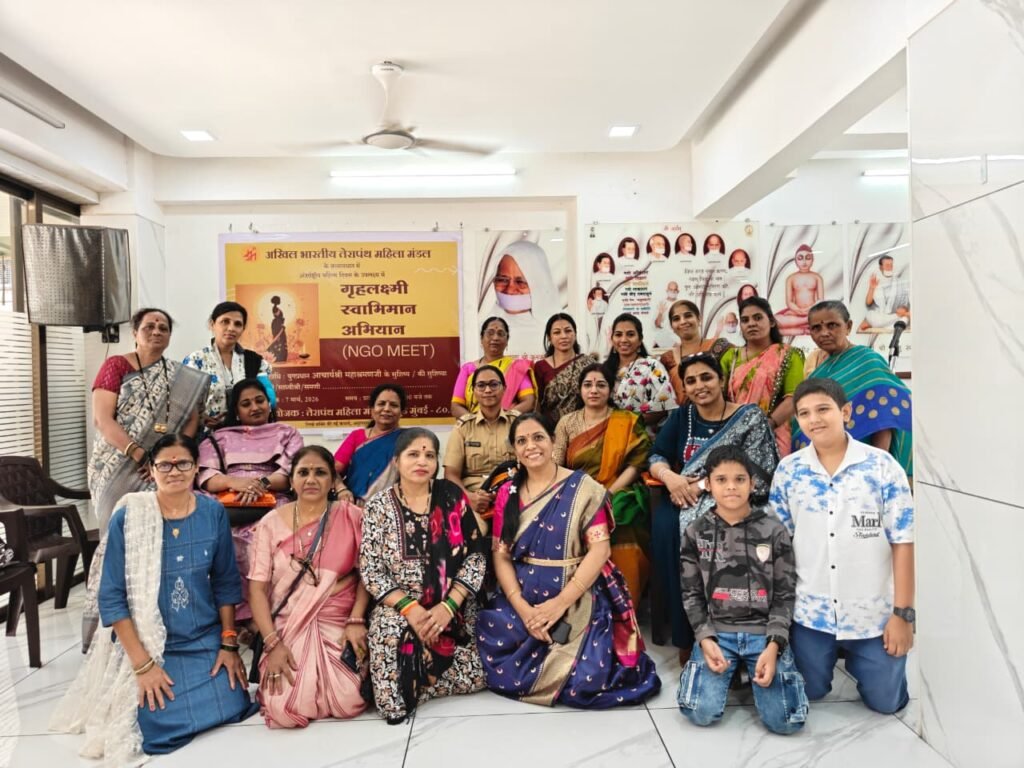
The participation of a large number of women made the event more than just a one-way awareness lecture.
Women actively participated in the session and asked questions about different aspects of safety and legal protection.
Such interaction is extremely valuable because every community has different concerns. Questions from participants allow experts and officials to address practical situations and explain what women can do when they encounter them.
The open discussion also helped create a more comfortable environment in which women could seek information without hesitation.
Building Confidence Among Women
Safety awareness can have a direct impact on confidence.
A woman who understands her rights, knows emergency contacts and understands basic cyber safety practices is better prepared to respond appropriately in a difficult situation.
The objective is not to create fear but to create preparedness and confidence.
Women should be able to move through public spaces, workplaces and digital environments with greater awareness of potential risks and available support mechanisms.
The BIG Foundation’s initiative contributed to this objective by bringing together community members and police representatives in an educational setting.
Cyber Safety Is Everyone’s Responsibility
Cybercrime awareness is especially important because online fraud does not always target a particular age group or profession.
Anyone using a smartphone, social media platform, online banking service or digital payment system can potentially become a target.
Women were therefore encouraged to adopt basic cyber hygiene practices:
- Never share OTPs, PINs or passwords.
- Use strong and unique passwords.
- Enable two-factor authentication wherever possible.
- Avoid clicking suspicious links.
- Verify unknown callers.
- Avoid sending sensitive documents to unknown people.
- Check website addresses before making payments.
- Be careful with social media privacy settings.
- Keep phones and applications updated.
- Report cyber fraud quickly.
The National Cyber Crime Reporting Portal also provides online reporting facilities for cybercrime and has specific mechanisms covering crimes involving women and children.
The Role of Families and Communities
Women’s safety cannot be the responsibility of women alone.
Families, educational institutions, workplaces, community organizations, law enforcement agencies and society as a whole have important roles to play.
A safe society is created when people respect one another, understand legal boundaries and speak against harassment and violence.
Community organizations such as BIG Foundation can help by creating awareness at the grassroots level. Police officials can help communities understand reporting mechanisms and available support. Families can encourage women to speak openly about problems instead of silencing them.
Together, these efforts can create an environment where women feel safer and more confident.
BIG Foundation’s Commitment to Social Awareness
The Women’s Safety Awareness Program reflects the broader importance of social organizations working toward community development and awareness.
By organizing educational programs around women’s rights, legal protection and cybersecurity, BIG Foundation is helping bring important information directly to the community.
Awareness programs are particularly valuable when they encourage participation rather than simply distributing information.
The presence of local police officers added practical value to the initiative and gave participants an opportunity to understand the available support system directly from law enforcement representatives.
A Message for Every Woman
The central message of the program can be summarized simply:
Know your rights. Know your support system. Stay alert. Speak up.
Women should not hesitate to seek help when they feel threatened or unsafe. They should also remember that cybercrime is a real safety concern and that online financial fraud should be reported quickly.
Keeping emergency numbers accessible can be a simple but important safety measure.
For emergencies, 112 is India’s unified emergency response number. For women’s support in Maharashtra, 181 is listed by the Maharashtra Women and Child Development Department. For cyber financial fraud, 1930 is the national cybercrime helpline.
Conclusion
The Women’s Safety Awareness Program organized by BIG Foundation on the occasion of International Women’s Day on 8 March was an important initiative focused on creating awareness about women’s rights, legal protection, personal safety and cybersecurity.
The participation of local police officers made the program particularly meaningful, allowing women to receive practical guidance about laws, complaint procedures and emergency support.
The enthusiastic participation of women demonstrated the growing importance of awareness initiatives that provide practical knowledge and encourage open discussion.
Women’s empowerment begins with education and awareness. A woman who knows her rights, understands available support systems and has the confidence to seek assistance is better equipped to protect herself and make informed decisions.
Women’s safety is not just a women’s issue—it is a responsibility shared by families, communities, institutions, law enforcement agencies and society as a whole.
Through continued awareness, education and community participation, we can work toward creating a society where every woman can live, work, travel and use digital platforms with greater confidence, dignity and security.
Important Helpline Numbers
| Service | Number |
|---|---|
| Emergency Response – Police/Fire/Medical | 112 |
| Women Helpline – Maharashtra | 181 |
| Cyber Financial Fraud | 1930 |
These numbers are based on current official government information.